A seminar in San Francisco, at the heart of Silicon Valley
Immersion, innovation, management and tech discovery.
This is not a business trip. It is an immersion seminar designed by practitioners to change how you see business, technology and management. Over a week you are not a spectator: you work inside the Californian technology ecosystem and come to understand what tomorrow’s user will expect.

A San Francisco seminar matched to your ambition.
For executives: innovate and lead
Invest in your people. This seminar is a rare chance to understand disruptive business models and rethink how you lead.
For startups: accelerate and convince
From idea to unicorn. Get inside the entrepreneurial ecosystem, sharpen your pitch and put your business plan under real pressure. It is a genuine boost for any innovative project.
For students: connect and prepare
From campus to California. Tailor-made programmes for business-school students. The trip gives a practical perspective that prepares future graduates for what actually happens.





Seminar programme: talks, trends and tech innovation.
For executives, SMEs and large groups
Invest in your people. This seminar is a rare chance to understand disruptive business models, strengthen entrepreneurial management skills across your teams, and bring a new impulse for innovation into your organisation.
For startups and founders
From idea to unicorn. Get inside the ecosystem where companies are built. The programme includes visits to leading incubators and accelerators, pitch workshops that put your business plan under pressure, and meetings that explain how fundraising with business angels actually works. A genuine boost for any founding or innovative project.
For students and higher education
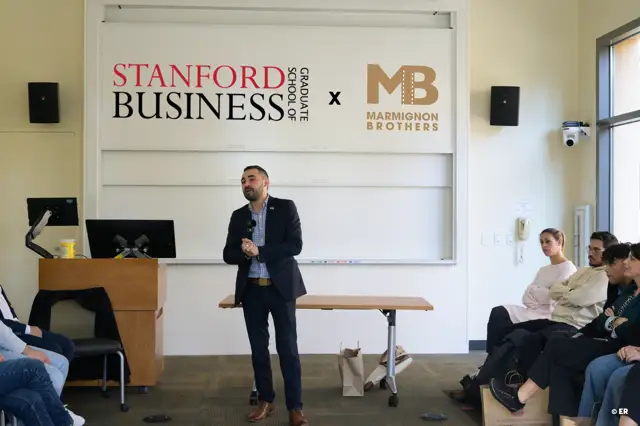
From campus to California. We build tailor-made programmes for students of business, finance and law schools. The trip offers a practical perspective you cannot get in a lecture hall, with campus visits such as Stanford University, academic talks and meetings that prepare future graduates for international business.
Inside the tech: what your seminar covers.
Visits to iconic companies
Get inside the headquarters of internet giants such as Google and see how their culture of innovation actually operates.
Exclusive meetings
Sit down with CEOs, technology specialists and the people shaping what happens next in the area.
Talks on every emerging trend
Take part in workshops on emerging technologies — big data, AI, Web 3.0 — and stay at the front of the field.
Networking and collaboration
Protected time to exchange with speakers and fellow participants, where the collaboration and the mutual learning actually happen.
Courses and cultural visits
Attend courses on the campus of prestigious Bay Area universities and discover iconic cultural landmarks of the region as part of your seminar.
Los Angeles extension
The programme extends to Los Angeles: meetings with professionals from luxury, aerospace, entrepreneurship, film and design, plus group events such as NBA games with our partners, including the Los Angeles Clippers.
A hands-on, experiential immersion program
This is one of the most complete immersion programs of its kind: you immerse in the ecosystem rather than just observe it, with real insight into how Silicon Valley actually operates. Firsthand visits to tech giants, hands-on workshops led by industry leaders and industry experts, and case studies inspired by top school of business programmes give participants practical decision-making tools to cultivate back in the workplace — and a growing alumni network of cutting-edge innovators.
Our other seminar formats
Hollywood seminar
A dedicated programme for media, film and journalism schools — an immersion in the creative industry of Los Angeles.
Online seminar
Access our experts’ talks from wherever you are. Silicon Valley innovation without the flight.
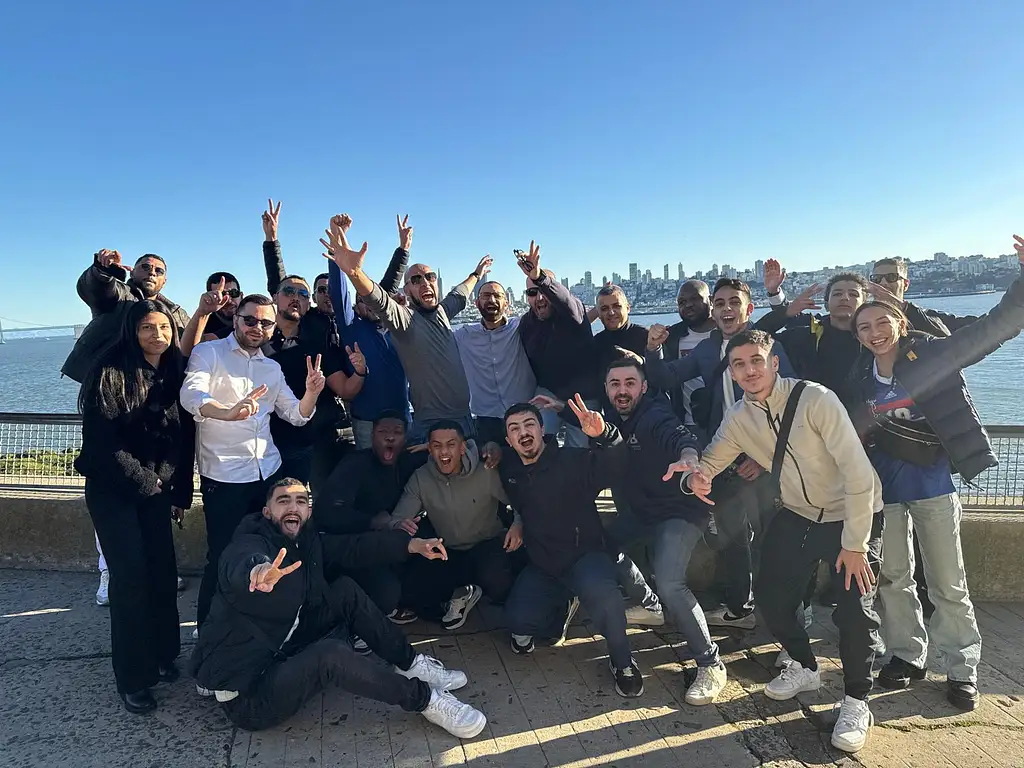
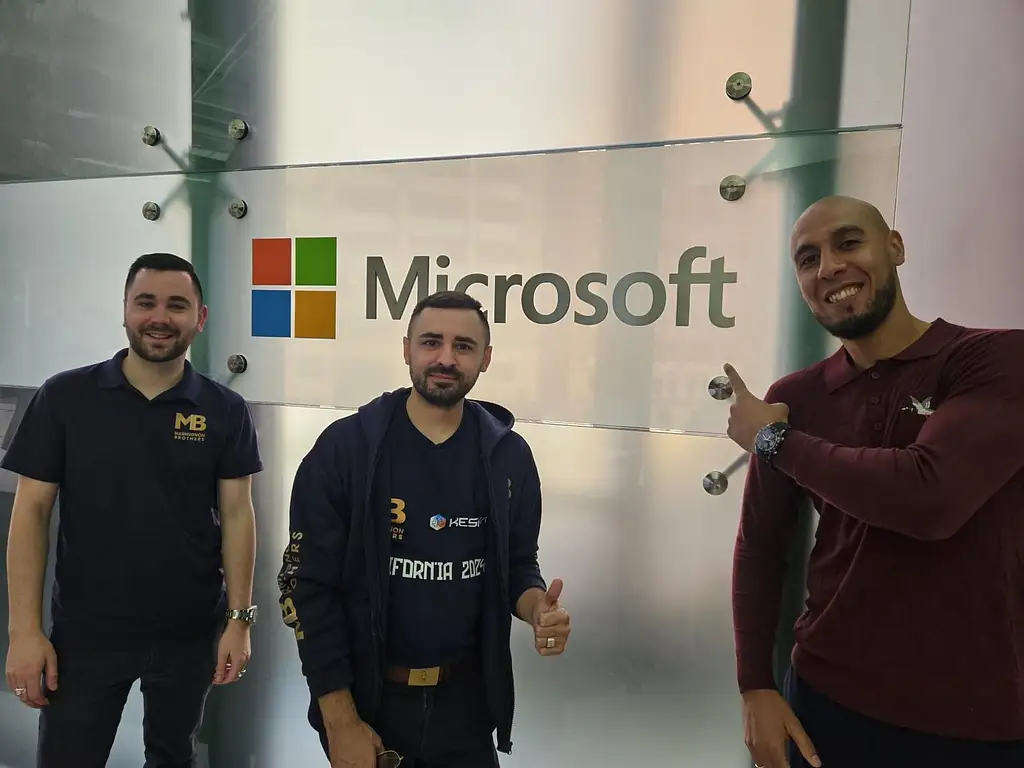
In pictures: our recent California seminars


A transformative experience, in their words.
« This trip went far beyond what I expected. Thank you sincerely. I do not think anyone here will forget what you did for us. » — Sami
« Genuinely, thank you for giving us the chance to live the American dream. Everything was incredible! » — Sakina
« Thank you, you made all of this possible… You achieved what you set out to do: give young people hope. » — Ayoub
They trust us